

Pimapen Prime 80 Triple Glazing Thermal Insulation Performance Guide
A technical engineering analysis of Pimapen Prime 80 triple glazing thermal insulation performance, highlighting profile geometry, Uw/Uf transmittance values, and acoustic dampening.
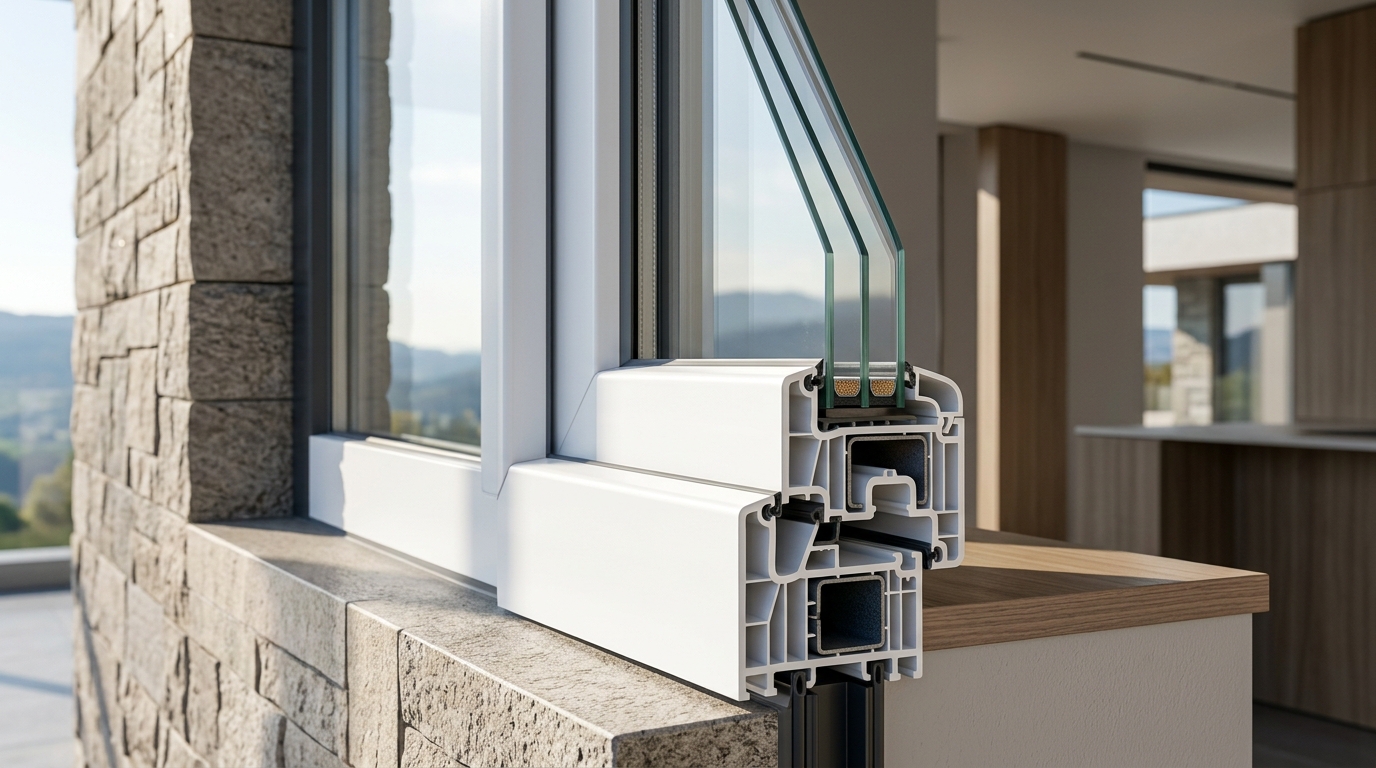
The Pimapen Prime 80 triple glazing thermal insulation performance sets a benchmark for modern energy-efficient building envelopes. Designed with an 80 mm profile depth and multi-chambered internal geometry, the system drastically curtails thermal bridging and heat loss across commercial and residential structures. Manufactured by Egelux in strict alignment with Deceuninck engineering standards, Prime 80 offers frame thermal transmittance (Uf) and overall window transmittance (Uw) values tailored for stringent environmental certifications and passive-level building standards.
Core Technical Specifications of the Prime 80 Profile System
Thermal efficiency in fenestration begins with profile architecture. The structural design of the Prime 80 PVC window system utilizes a high-density, multi-chamber configuration that retains interior heat while forming an impenetrable barrier against cold external air pockets.
- 80 mm Profile Depth: Provides an extended thermal barrier compared to standard 70 mm systems, allowing for deeper glass penetration and improved perimeter insulation.
- Multi-Chamber Geometry: Specially engineered air chambers slow down convective heat transfer within the frame structure.
- Triple Gasket Sealing System: Integrates continuous center and rebate gaskets made from long-lasting EPDM or TPE materials to seal against wind-driven rain and air infiltration.
- Galvanized Steel Reinforcement: Positioned inside central chambers to deliver wind-load resistance without creating thermal bridges.
Evaluating Thermal Transmittance: Uf, Ug, and Overall Uw Values
Understanding the thermal capabilities of a window profile requires analyzing individual components: frame transmittance (Uf), glass unit transmittance (Ug), and whole-window transmittance (Uw). To learn more about profile engineering principles, read our comprehensive Egelux PVC window manufacturer technical guide.
The overall Uw value determines how efficiently a completed window assembly prevents energy loss. Lower Uw values directly translate to lower HVAC operational costs during peak heating and cooling seasons.
- Frame Transmittance (Uf): Prime 80 achieves a low Uf rating (typically around 1.0 to 1.1 W/m²K) due to its chamber walls and 80 mm depth.
- Glazing Transmittance (Ug): By accommodating triple-pane glass units, Ug values can drop to 0.5 – 0.6 W/m²K when using dual Low-E coatings and 90% argon gas fill.
- Total Window Value (Uw): Combined, a fully assembled Prime 80 window unit achieves Uw performance as low as 0.8 W/m²K, meeting low-energy and passive house thermal targets.
Triple Glazing Integration and Acoustic Attenuation
The 80 mm sash depth of Prime 80 allows for glass package thicknesses of up to 42 mm or more. This accommodates complex triple glazing combinations featuring varying glass pane thicknesses (e.g., 4mm / 6mm asymmetric configurations) and acoustic laminated interlayers.
Warm Edge Spacer Technology
Standard aluminum glazing spacers conduct heat quickly along the glass perimeter, leading to perimeter thermal bridging and condensation risks. Utilizing composite warm edge spacers inside the triple-pane unit reduces peripheral conductivity, maintaining uniform inner glass surface temperatures and eliminating condensation build-up.
Acoustic Dampening Capabilities
In addition to thermal resistance, the structural density and air cavity spacing of triple-pane units provide elevated sound reduction index (Rw) ratings. This makes Prime 80 an effective solution for urban hotels, multi-family apartment complexes, and commercial offices exposed to ambient traffic noise.
Comparative Analysis: Standard Double Glazing vs. Prime 80 Triple Glazing
| Technical Parameter | Standard 70mm Double Glazed | Prime 80 Triple Glazed System |
|---|---|---|
| Profile Installation Depth | 70 mm | 80 mm |
| Maximum Glazing Thickness | 24 - 32 mm | 40 - 50 mm |
| Glass Ug Value Range | 1.1 – 1.4 W/m²K | 0.5 – 0.7 W/m²K |
| Frame Uf Value Range | 1.3 – 1.5 W/m²K | 1.0 – 1.1 W/m²K |
| Acoustic Isolation (Rw) | 30 – 35 dB | Up to 44 dB |
Structural Integrity and Architectural Adaptation
Integrating large triple-pane glass units adds substantial dead load to the window sash. Prime 80 profiles are engineered with heavy-duty structural reinforcement channels to maintain frame rigidity and avoid sash deflection over extended operational cycles. Detailed insights into load calculations and structural integration can be found in our guide on custom architectural PVC window system design.
Frequently Asked Questions
What maximum glass thickness can the Prime 80 profile accommodate?
The Prime 80 profile system supports thick glass packages up to 50 mm, permitting advanced triple glazing configurations that incorporate acoustic laminates and heavy Low-E glass panes.
How does argon gas in triple glazing improve thermal insulation?
Argon gas has a lower thermal conductivity than ambient air. When injected into the sealed cavities between glass panes, it minimizes convective heat movement, significantly lowering the overall Ug rating of the unit.
Does triple glazing prevent internal window condensation?
Yes. By maintaining higher interior glass surface temperatures through lower Ug values and warm edge spacers, the inner pane stays above the dew point temperature, preventing condensation formation under normal indoor humidity levels.
Selecting the Optimal Fenestration Strategy for Your Project
Choosing between dual and triple glazing involves balancing initial material expenditure against long-term operational energy savings, climatic exposure, and acoustic demands. For high-rise developments, cold climate zones, or projects seeking green building credentials (LEED/BREEAM), the Pimapen Prime 80 system provides the structural durability and low Uw ratings required by modern building codes.
To discuss technical specifications, frame calculations, or B2B manufacturing orders for your upcoming architectural project, contact our specialized team via the Egelux contact page for direct engineering support.