

PVC Window Systems for Commercial Buildings: Key Requirements and Benefits
Explore key requirements and benefits of advanced PVC window systems for commercial buildings. Enhance energy efficiency, durability, and aesthetics with Deceuninck solutions.
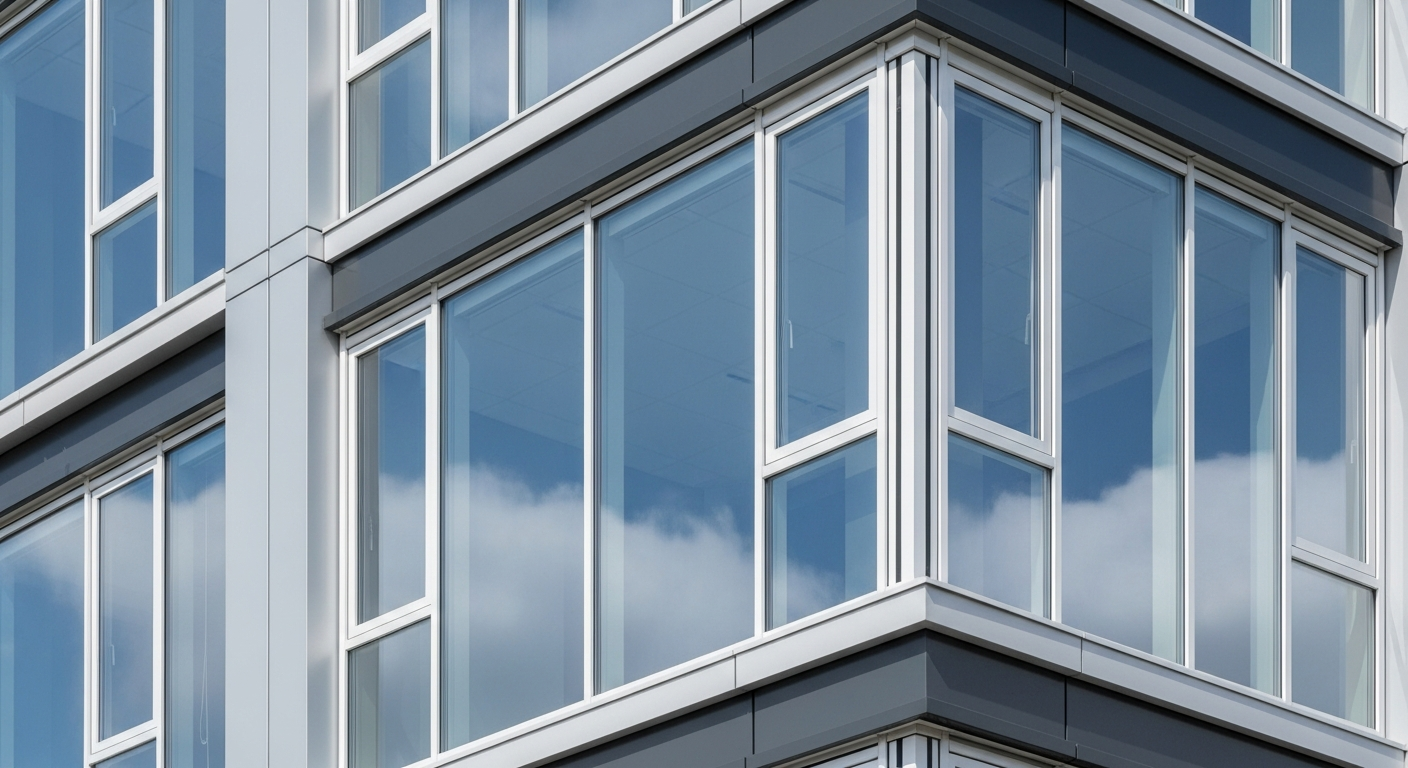
When designing or renovating commercial buildings, the choice of window systems plays a crucial role in overall performance, aesthetics, and long-term operational costs. Architects, contractors, and developers increasingly turn to modern PVC window systems for commercial buildings due to their unparalleled blend of durability, energy efficiency, and design versatility. This article delves into the key requirements for these systems and highlights the numerous benefits they offer.
Understanding Key Requirements for Commercial PVC Window Systems
Selecting the right PVC window systems for commercial buildings requires careful consideration of several critical factors. These systems must meet rigorous standards to ensure the longevity, safety, and efficiency of the structure.
Durability and Longevity
Commercial buildings experience high traffic and varying environmental conditions, demanding window systems that can withstand the test of time. High-quality PVC profiles are engineered for exceptional durability, resisting corrosion, rot, warping, and fading. This ensures that the window systems maintain their structural integrity and appearance for decades, reducing the need for frequent replacements and costly maintenance.
Energy Efficiency and Insulation
Energy consumption is a major concern for commercial properties. Advanced PVC window systems for commercial buildings are designed with multi-chamber profiles and excellent sealing technologies, providing superior thermal insulation. This significantly reduces heat loss in winter and heat gain in summer, leading to lower HVAC costs and a more stable indoor climate. Look for systems with low U-values and high R-values to maximize energy savings.
Security and Safety
The security of commercial buildings is paramount. Modern PVC window systems incorporate robust hardware, multi-point locking mechanisms, and reinforced frames to deter intruders. Additionally, many systems offer options for laminated or toughened glass, enhancing protection against impact and break-ins. Fire safety ratings are also a critical requirement, with many PVC systems designed to meet stringent fire resistance standards.
Aesthetics and Design Flexibility
Commercial architecture often prioritizes modern aesthetics and unique design elements. PVC window systems offer remarkable design flexibility, available in a wide array of colors, finishes, and configurations, including tilt-and-turn, sliding, casement, and fixed window options. This allows architects to achieve specific visual objectives without compromising performance, integrating seamlessly with diverse architectural styles.
Compliance and Certification
Adherence to local and international building codes, energy performance standards, and safety regulations is non-negotiable for commercial projects. Reputable manufacturers provide PVC window systems that are fully certified and compliant with relevant industry standards, ensuring peace of mind and hassle-free project approval.
The Tangible Benefits of PVC Window Systems in Commercial Projects
Beyond meeting the fundamental requirements, the benefits of PVC window systems for commercial buildings extend to operational efficiency, occupant comfort, and sustainability.
Reduced Operational Costs
The superior energy efficiency of commercial PVC window systems directly translates into significant savings on heating and cooling bills. Their low-maintenance nature also means reduced expenditure on cleaning, repairs, and replacements over the building's lifespan, contributing to a lower total cost of ownership.
Enhanced Occupant Comfort
Excellent thermal and acoustic insulation provided by PVC windows creates a more comfortable and productive indoor environment. Reduced noise pollution from outside and consistent indoor temperatures improve the experience for employees, clients, and residents within the commercial space.
Sustainable Building Practices
PVC is a highly recyclable material, making PVC window systems a sustainable choice for environmentally conscious commercial developments. Their long lifespan and energy-saving properties further contribute to a building's reduced carbon footprint and eligibility for green building certifications.
Low Maintenance and High Performance
Unlike other materials, PVC does not require painting, varnishing, or extensive upkeep. A simple wipe-down is often enough to keep them looking new, ensuring high performance with minimal effort throughout their operational life.
Why Deceuninck PVC Solutions Stand Out for Commercial Applications
As an official and authorized partner of Deceuninck, we recognize their leadership in providing high-quality, durable, energy-efficient, and innovative window and door systems. Deceuninck's advanced PVC solutions are specifically designed to meet international standards of performance and aesthetics, making them an ideal choice for large-scale commercial applications.
Combining advanced technology with modern design, Deceuninck's PVC window systems for commercial buildings deliver superior insulation, long-lasting durability, enhanced security, and optimal comfort. Their commitment to precision craftsmanship and customized solutions ensures that every commercial project benefits from exceptional quality and future-ready performance. By choosing Deceuninck PVC windows, architects and contractors invest in sustainable, stylish, and high-value environments.
Conclusion
The decision to install PVC window systems for commercial buildings is a strategic one that impacts energy consumption, security, and the aesthetic appeal of a property for decades. By understanding the key requirements and embracing the manifold benefits, developers can make informed choices that lead to more efficient, sustainable, and comfortable commercial spaces. Partnering with providers of leading solutions like Deceuninck ensures that these critical components exceed expectations, adding lasting value to every commercial project.