

The Role of Minimalist Sliding Glass Doors in Modern Architecture
Discover how minimalist sliding glass doors for modern architecture, like the LR.3100 series, combine sleek aesthetics with precision performance and security.
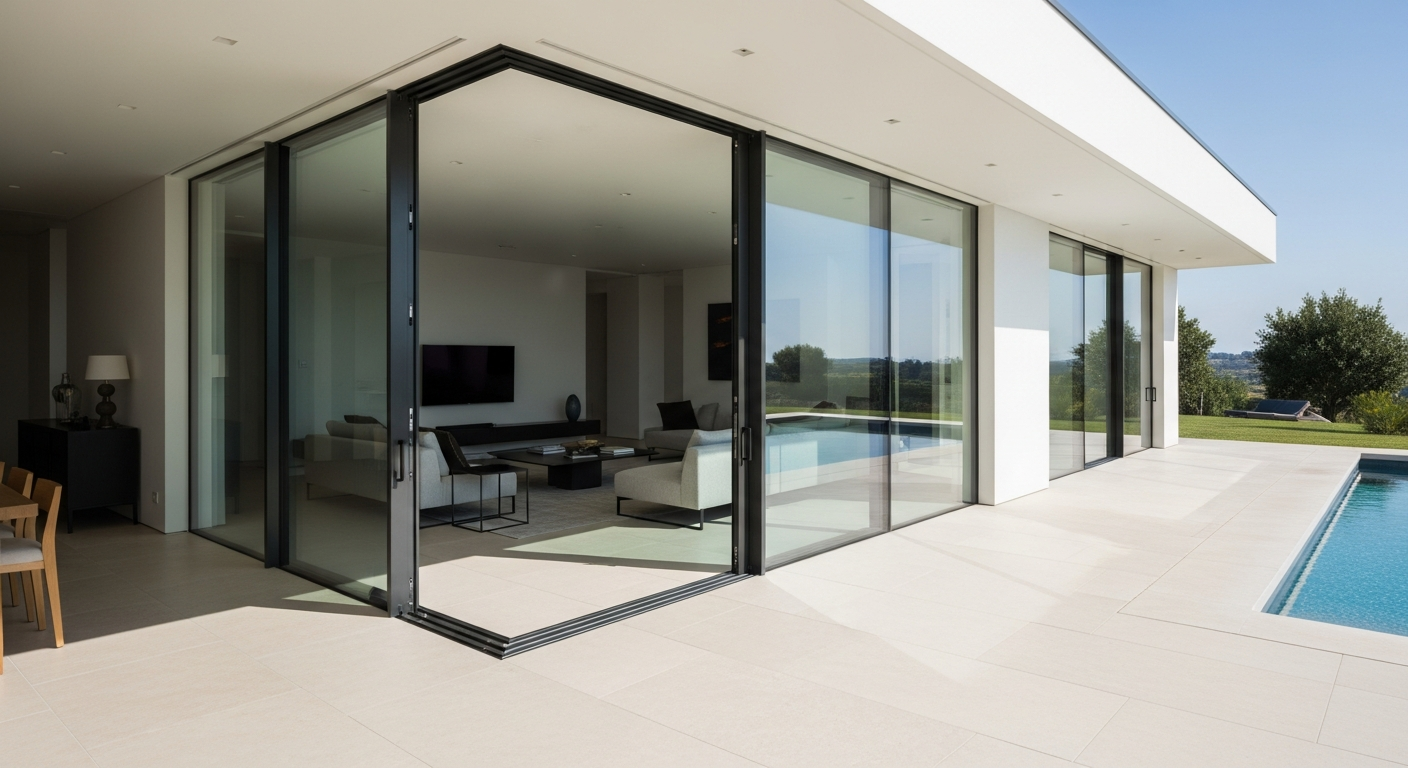
In the realm of contemporary building design, the boundaries between indoor and outdoor spaces are continually being redefined. At the heart of this transformation is the growing demand for minimalist sliding glass doors for modern architecture. These sleek, expansive window solutions are no longer just functional entryways; they are definitive design statements that cater to architects and design-conscious homeowners alike.
The Evolution of Architectural Glass Doors
Modern architecture thrives on the principles of clean lines, unobstructed views, and abundant natural light. Traditional bulky door frames often disrupt these visual aesthetics. Minimalist sliding glass doors solve this by utilizing ultra-thin profiles that maximize the glass area. This allows interior spaces to bathe in sunlight while offering panoramic views of the surrounding environment.
Seamless Indoor-Outdoor Living
One of the primary goals of modern residential design is to create a seamless transition between the living room and the exterior landscape. Minimalist sliding systems achieve this by recessing the tracks flush with the floor, removing visual and physical barriers. When fully opened, the interior and exterior merge into a single, cohesive living space.
Precision Performance and Modern Aesthetics
While the visual appeal is undeniable, true architectural excellence requires engineering perfection. This is perfectly exemplified by solutions like the LR.3100 Sliding Systems. Designed for both residential and commercial projects, these systems combine a minimal architectural design with unparalleled precision performance.
Advanced Engineering and Security
A common misconception about minimal design is that it compromises on durability or security. However, high-end sliding doors like the LR.3100 feature advanced locking mechanisms concealed within the narrow frames. These mechanisms ensure robust security without interrupting the sleek modern aesthetics. Furthermore, the seamless operation provided by precision-engineered rollers allows even the heaviest, most expansive glass panels to glide effortlessly with minimal force.
Why Architects Choose Minimalist Sliding Systems
Architects and builders consistently specify minimalist sliding glass doors for modern architecture because they offer a perfect balance of form and function. The aesthetic benefits are paired with exceptional thermal insulation, weather resistance, and acoustic performance. This ensures that the building remains energy-efficient and comfortable, regardless of the climate.
Versatility in Design
Whether it is a luxury coastal home, a high-rise urban penthouse, or a cutting-edge commercial office space, minimal design sliding doors adapt to various architectural styles. Their unobtrusive nature complements brutalist concrete, warm natural wood, and sleek steel structures equally well.
Conclusion
The integration of minimalist sliding glass doors for modern architecture is more than just a passing design trend; it is a fundamental shift in how we experience built environments. By choosing advanced solutions like the LR.3100 Sliding Systems, homeowners and architects can achieve a harmonious blend of minimal design, precision performance, and lasting modern aesthetics. If you are planning a modern build or renovation, prioritizing high-quality minimalist glass doors is a crucial step toward elevating your entire space.