

Unlocking Energy Savings: How Window U-Values Impact Thermal Insulation
Learn how window U-values (Uf, Ug, Uw) directly impact your home's thermal insulation and energy efficiency. Understand how low U-values translate to significant energy savings.
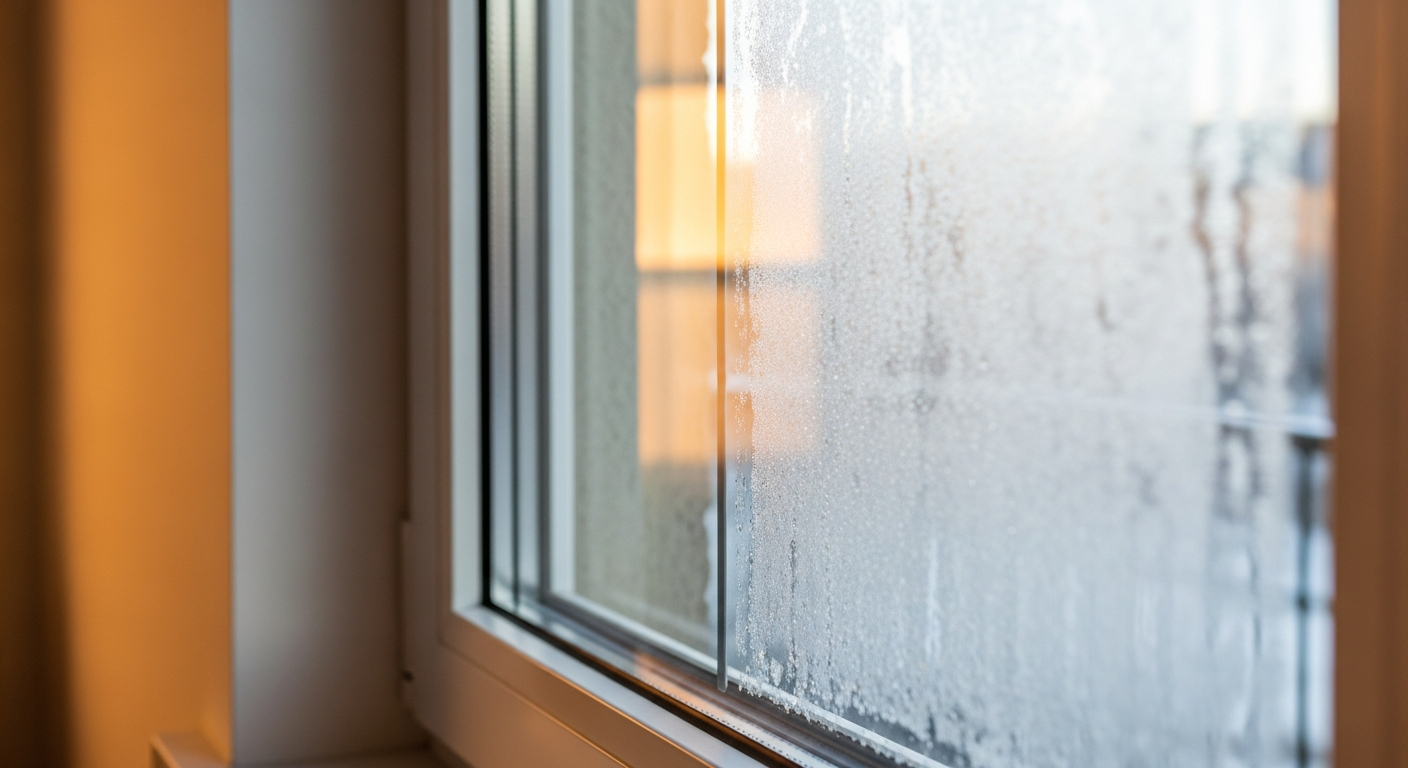
Introduction: The Unseen Hero of Home Comfort and Efficiency
When considering new windows for your home, you'll often encounter technical terms like "U-value." While it might sound complex, understanding how window U-values impact thermal insulation and energy savings is crucial for making an informed decision that benefits both your comfort and your wallet. Simply put, a window's U-value is a key indicator of its ability to insulate your home effectively. In this guide, we'll demystify U-values, explain their components, and reveal how choosing the right windows can lead to substantial energy efficiency gains.
Understanding U-Values: The Core of Window Efficiency
At its heart, a U-value (or U-factor) measures the rate of heat transfer through a window. It quantifies how well a window prevents heat from escaping your home in winter and entering in summer. The lower the U-value, the better the window's insulating properties, meaning less heat loss or gain. This directly translates to a more stable indoor temperature and reduced reliance on your heating and cooling systems.
Breaking Down U-Values: Uf, Ug, and Uw
To fully grasp a window's thermal performance, it's important to differentiate between three specific U-values:
- Uf (U-value of the Frame): This measures the thermal transmittance of the window frame material itself. Materials like PVC or composite frames typically have lower Uf values than traditional aluminum, offering better insulation. For instance, high-performance systems can achieve a Uf value as low as 0.95 W/m²K.
- Ug (U-value of the Glass): This refers to the thermal transmittance of the glazing unit. Factors influencing Ug include the number of glass panes (double or triple glazing), the type of gas filling between panes (e.g., argon), and low-emissivity (Low-E) coatings. Modern triple glass units can achieve impressive Ug values, often in the range of 0.6–0.7 W/m²K.
- Uw (U-value of the Whole Window): This is the overall U-value for the entire window assembly, taking into account the frame, the glass, and the spacer bar. It's the most critical figure for evaluating a window's total thermal performance. A window with superior glass and frame components, such as those found in the Pimapen Prime 80 series with Uf = 0.95 W/m²K and 44 mm triple glass units (Ug = 0.6–0.7 W/m²K), can achieve an outstanding Uw value of 0.78 W/m²K. This combined value truly reflects the window's capacity for superior thermal insulation.
How Low U-Values Lead to Superior Thermal Insulation
Windows with low U-values create a more effective barrier against heat transfer. This means:
- Reduced Heat Loss in Winter: Less warmth escapes through your windows, keeping your home cozier and reducing the need to crank up the thermostat.
- Reduced Heat Gain in Summer: Less external heat penetrates your home, making it easier and cheaper to keep cool with air conditioning.
- Minimized Drafts and Cold Spots: High-performance windows, like those in the Pimapen Prime 80 series with a Uw of 0.78 W/m²K, help eliminate uncomfortable drafts and cold spots near windows, contributing to a more uniform indoor temperature.
- Improved Comfort: Consistent indoor temperatures mean you can enjoy every part of your home, regardless of the weather outside.
The Tangible Impact: Significant Energy Savings
The direct correlation between low window U-values and superior thermal insulation leads to substantial energy savings. When your home is better insulated, your heating and cooling systems don't have to work as hard, consuming less energy. Over the lifespan of your windows, this translates into:
- Lower Utility Bills: A direct reduction in your monthly energy expenses. Investing in high-efficiency windows can pay for itself over time through these savings.
- Reduced Carbon Footprint: Using less energy means a lower demand on power plants, leading to fewer greenhouse gas emissions and a more environmentally friendly home.
- Increased Property Value: Energy-efficient homes are often more attractive to potential buyers, adding value to your property.
Choosing the Right Windows: What to Look For
When selecting new windows, always prioritize U-values. Look for manufacturers who clearly state their Uw values, as this provides the most comprehensive measure of thermal performance. Consider features such as:
- Double or Triple Glazing: More panes of glass, especially with inert gas infills (like argon or krypton), significantly improve Ug values.
- Low-E Coatings: These microscopic coatings reflect infrared light, keeping heat inside in winter and outside in summer without compromising visible light transmission.
- High-Performance Frames: Frames made from materials designed for thermal breaks and low Uf values contribute significantly to the overall Uw value.
- Certifications: Look for industry certifications that validate the stated U-values and overall energy efficiency.
Conclusion: Invest in Comfort and Savings
Understanding how window U-values impact thermal insulation and energy savings is fundamental to making a smart investment in your home. By choosing windows with low U-values, such as the impressive Uw = 0.78 W/m²K offered by advanced systems like the Pimapen Prime 80 series, you're not just buying glass and frames; you're investing in long-term comfort, reduced energy bills, and a more sustainable living environment. Prioritize U-values in your next window upgrade to unlock these significant benefits.