

Designing for Comfort: The Essential Role of Passive Window Ventilation in Aegean Climate Homes
Explore the critical role of passive window ventilation in creating comfortable, naturally cooled homes in the Aegean climate. Learn design principles for sustainable living.
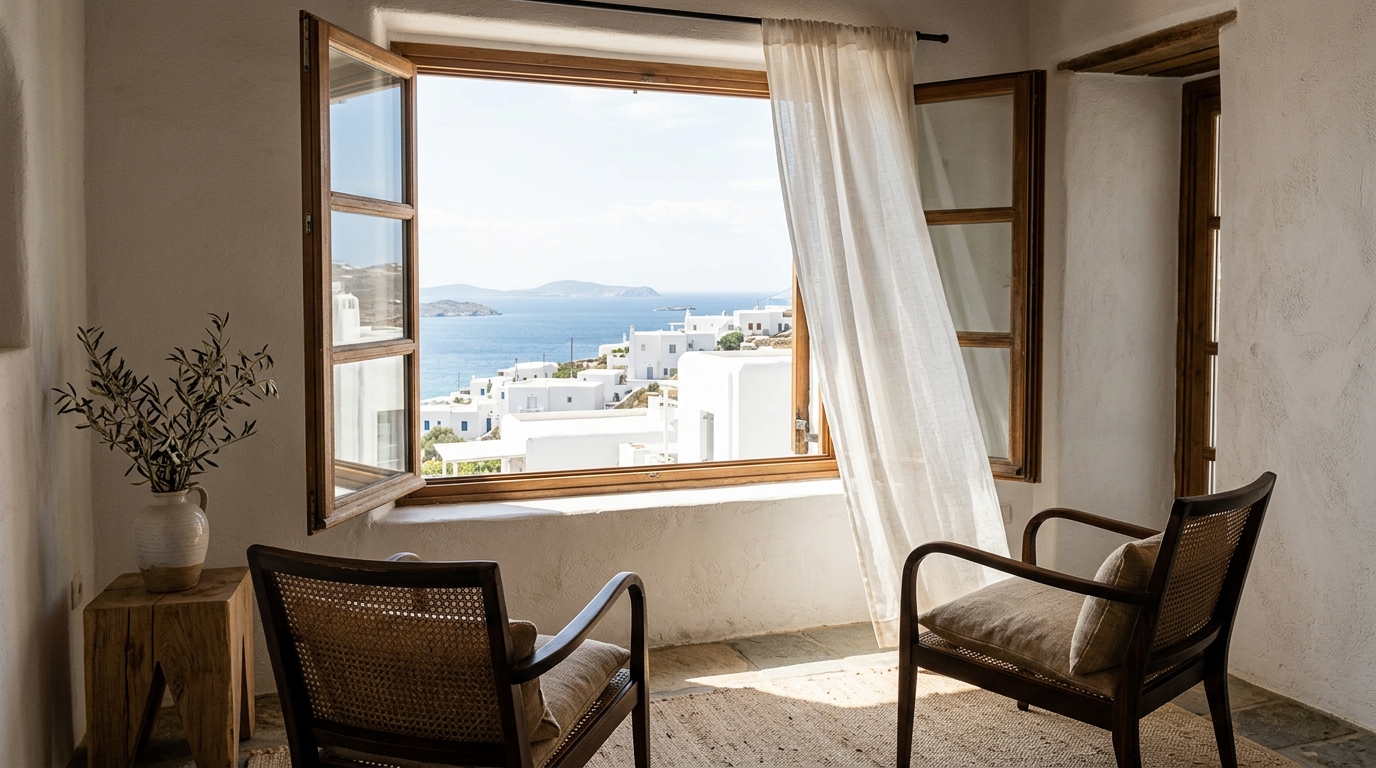
The Aegean region, renowned for its sun-drenched landscapes and picturesque islands, presents a unique set of climatic challenges for residential design. While the allure of sea breezes is undeniable, managing intense summer heat and humidity without relying heavily on mechanical cooling is a primary concern. This is where the principles of passive design, specifically Designing for Comfort: The Role of Passive Window Ventilation in Aegean Climate Homes, become not just beneficial, but essential. By intelligently harnessing natural airflows, homes in this iconic region can achieve optimal indoor comfort, reduce energy consumption, and embrace a truly sustainable lifestyle.
Understanding the Aegean Climate: Heat, Sun, and Breezes
The Aegean climate is characterized by long, hot, dry summers and mild, wet winters. During the summer months, temperatures can soar, often accompanied by strong meltemi winds. While these breezes can be a welcome relief, their direction and intensity need careful consideration in design. The relentless sun exposure also means that heat gain through windows and walls is a significant challenge. Traditional Aegean architecture developed ingenious methods to cope with these conditions, often emphasizing thick walls, small windows, and shaded courtyards. Modern homes, however, can adapt and evolve these principles, with passive window ventilation playing a central role in mitigating heat and enhancing indoor air quality.
Principles of Effective Passive Window Ventilation
Effective passive window ventilation relies on several fundamental physics principles to move air naturally through a building, providing cooling and fresh air without mechanical assistance. For Aegean climate homes, understanding these principles is paramount:
Cross-Ventilation: Harnessing Horizontal Airflow
Cross-ventilation is perhaps the most straightforward and effective method. It involves placing openings (windows, doors, vents) on opposite or adjacent walls to allow air to flow directly through a space. In the Aegean, where prevailing winds are common, strategically orienting a building and its windows to capture these breezes is crucial. The size, type, and location of windows are key: larger inlets and smaller outlets can increase air velocity, enhancing the cooling effect. Care must be taken to ensure air paths are unobstructed within the home.
Stack Effect: Leveraging Vertical Airflow
The stack effect, also known as the chimney effect, utilizes the principle that warm air rises. By placing outlet openings high up in a building (e.g., clerestory windows, roof vents) and inlet openings lower down, warm air naturally escapes through the top, drawing cooler air in from below. This is particularly effective during calmer periods when cross-ventilation might be less potent. Integrating this into the design of Aegean homes can lead to continuous air changes, even on still days.
Strategic Window Placement and Design
Beyond just cross-ventilation and stack effect, the specific design and placement of windows significantly impact ventilation performance. Factors include:
- Window Type: Louvered windows, jalousies, and casement windows can be excellent for directing breezes and controlling airflow.
- Shading: Overhangs, pergolas, and shutters are essential to prevent solar heat gain through windows while still allowing them to be open for ventilation.
- Airflow Paths: Designing open-plan layouts or using internal transoms and vents ensures air can move freely between rooms.
Implementing Passive Window Ventilation in Aegean Homes
Integrating robust passive window ventilation into the design of an Aegean climate home requires thoughtful planning from the outset. It's about blending ancient wisdom with contemporary architectural understanding to achieve optimal comfort.
Optimizing for the Meltemi and Beyond
Many Aegean islands experience the strong, north-easterly Meltemi winds during summer. Designing windows to capture these prevailing breezes for cross-ventilation is vital, but equally important is the ability to close off or redirect airflow when winds become too strong or from an undesirable direction. Adjustable louvers or carefully placed smaller openings can offer this flexibility, ensuring continuous, comfortable airflow without excessive drafts.
Integration with Traditional Aesthetics
Modern Aegean homes can adopt traditional elements like shaded verandas, deep-set windows, and thick walls, which inherently support passive ventilation strategies. Large openings that can be fully secured or shaded during the hottest parts of the day, combined with smaller, strategically placed vents, ensure a dynamic approach to indoor climate control. This holistic approach ensures that Designing for Comfort: The Role of Passive Window Ventilation in Aegean Climate Homes becomes a seamless part of the architectural identity.
Beyond Cooling: Enhancing Indoor Air Quality
While the primary benefit of passive window ventilation in the Aegean is cooling, it also plays a crucial role in maintaining excellent indoor air quality. By constantly flushing out stale air, pollutants, and humidity, homes remain fresh and healthy, further contributing to occupant comfort and well-being. This natural air exchange reduces reliance on energy-intensive mechanical ventilation systems.
Conclusion: A Breath of Fresh Air for Aegean Living
For those seeking to build or renovate in the enchanting Aegean region, understanding and implementing effective passive window ventilation is a cornerstone of sustainable and comfortable living. By embracing the principles of cross-ventilation, stack effect, and thoughtful window design, Aegean climate homes can remain cool, fresh, and inviting throughout the year, significantly reducing the need for artificial cooling. It's a testament to the power of intelligent design to harmonize with nature, providing a truly refreshing approach to residential architecture in this unique part of the world.