

Are Triple Glazed PVC Windows Worth It? An In-Depth Analysis
Considering triple glazed PVC windows? Our guide breaks down the benefits like superior insulation, lower energy bills, and reduced noise. Find out if they're a smart investment for your property.
When it comes to home improvements, upgrading your windows is often high on the list, especially if you're looking to enhance comfort and reduce energy bills. As technology advances, so do the options available, with triple glazed PVC windows emerging as a premium choice. But with a higher upfront cost, a common question arises: are triple glazed PVC windows worth it?
This guide will delve into the world of triple glazing, exploring its advantages, potential drawbacks, and ultimately, help you determine if this advanced window solution is the right investment for your home. We'll leverage expert insights into thermal performance and structural benefits to provide a comprehensive answer.
What Exactly Are Triple Glazed PVC Windows?
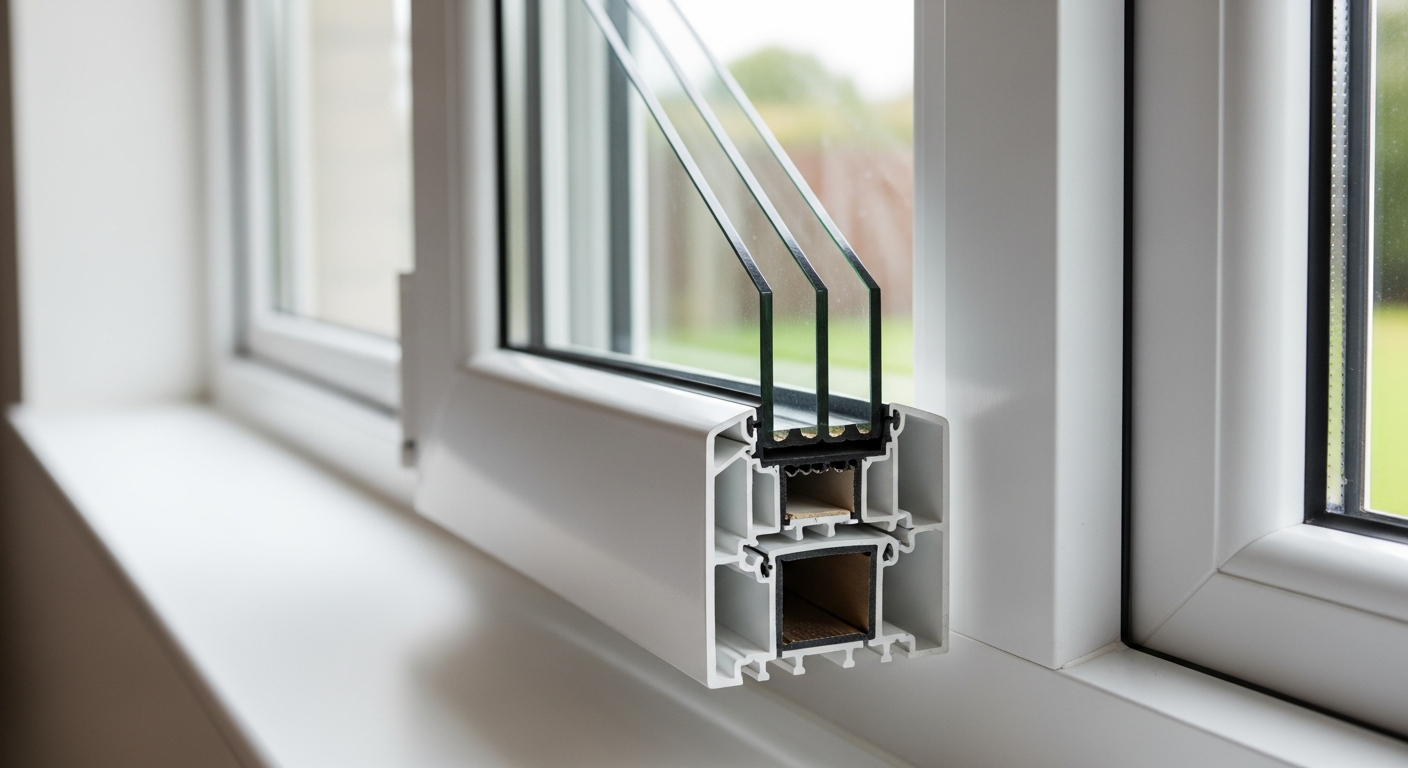
At its core, triple glazing involves three panes of glass separated by two sealed gaps, which are typically filled with an inert gas like argon or krypton. This construction differs significantly from traditional double glazing, which only uses two panes.
The PVC (Polyvinyl Chloride) frame plays a crucial role in the overall thermal performance. Modern PVC profiles, like those found in the Pimapen Prime 80 series, are designed with multi-chambered systems that further enhance insulation. These sections boast a low thermal transmittance value (Uf) of approximately 0.95 W/m²K.
The Science Behind Triple Glazing
The extra pane of glass and additional gas-filled cavity in triple glazed units create two distinct thermal barriers. This significantly reduces heat transfer through the window. For instance, high-performance triple glass units, often 44 mm thick, can achieve incredibly low thermal transmittance values (Ug) of 0.6–0.7 W/m²K. When these units are combined with an efficient PVC frame, the overall window thermal transmittance (Uw) can drop to an impressive 0.78 W/m²K, offering superior thermal insulation compared to standard double glazing.
These units are versatile, accommodating various widths from 24mm to 52mm, ensuring compatibility with a wide range of window designs.
The Key Benefits: Why Consider Triple Glazing?
The advantages of triple glazed PVC windows extend beyond just energy efficiency, touching on comfort, security, and the overall living experience.
Superior Thermal Insulation and Energy Savings
This is arguably the most significant benefit. The enhanced insulation dramatically reduces heat loss in winter and heat gain in summer. With an impressive overall Uw value of 0.78 W/m²K for a full window system like the Pimapen Prime 80 series with 44mm triple glass units, you can expect a substantial reduction in your heating and cooling costs. This makes triple glazed PVC windows worth it for homeowners looking to significantly lower their energy bills and reduce their carbon footprint.
Enhanced Noise Reduction
The extra pane of glass and additional air/gas cavity act as an excellent sound barrier. This is particularly beneficial for homes located near busy roads, airports, or noisy urban environments, providing a quieter and more peaceful indoor atmosphere.
Increased Security and Durability
Three panes of glass offer a higher level of resistance against forced entry compared to single or double glazing. This added layer of protection can deter potential intruders and give you greater peace of mind. PVC frames themselves are also robust and durable, requiring minimal maintenance.
Reduced Condensation
Triple glazing keeps the inner pane of glass much closer to room temperature, which significantly reduces the likelihood of condensation forming on the inside of your windows. This not only improves visibility but also helps prevent mold growth, contributing to a healthier indoor environment.
Are There Any Downsides to Triple Glazed PVC Windows?
While the benefits are compelling, it's important to consider the potential drawbacks.
Initial Cost
The most common barrier is the higher upfront cost compared to double glazing. The additional materials and manufacturing processes make triple glazed PVC windows a more expensive initial investment. However, this needs to be weighed against the long-term energy savings.
Weight and Installation
Triple glazed units are heavier than double glazed ones. This extra weight can sometimes necessitate stronger frames and more robust installation techniques, which might slightly increase installation complexity and cost.
Potential for Less Light (Minor Impact)
Some older or poorly designed triple glazing could theoretically reduce the amount of natural light entering a room due to the extra pane. However, modern manufacturing techniques and high-quality glass generally mitigate this concern, with minimal discernible difference in light transmission.
Making the Decision: Is the Investment Worth It for You?
So, are triple glazed PVC windows worth it for your specific situation? The answer largely depends on your priorities and circumstances:
- Climate: If you live in an area with extreme temperatures, either very cold winters or hot summers, the superior insulation of triple glazing will provide greater comfort and more significant energy savings.
- Current Windows: If your existing windows are old, inefficient, or single-glazed, the upgrade to triple glazed PVC will offer a dramatic improvement in performance and comfort.
- Long-Term Investment: While the initial cost is higher, the long-term savings on energy bills can lead to a good return on investment over the lifespan of the windows. Consider how long you plan to stay in your home.
- Noise Levels: For properties exposed to significant external noise, the acoustic benefits alone could make triple glazing a worthwhile investment.
Conclusion: A Smart Investment for the Right Home
For homeowners prioritizing energy efficiency, enhanced comfort, noise reduction, and long-term savings, triple glazed PVC windows present a compelling case. While the upfront cost is higher, the advanced thermal performance, demonstrated by impressive U-values as low as Uw = 0.78 W/m²K, leads to substantial reductions in energy consumption.
Ultimately, investing in triple glazed PVC windows is a commitment to a more comfortable, quieter, and energy-efficient home. For many, these significant benefits easily make them a worthwhile and smart upgrade.